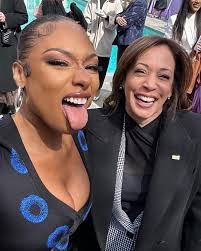
Recently, a rally in Atlanta featuring Vice President Kamala Harris has stirred up a lot of conversations within the Black community. Many felt uncomfortable with how the event unfolded, particularly with Harris’s perceived “blaccent” and the inclusion of a performance by Megan Thee Stallion. For some, this felt like an attempt to pander to the Black community by leaning into certain cultural elements often labeled as “ghetto.” This approach not only feels inauthentic but also perpetuates harmful stereotypes about what it means to be Black.
Stereotypes and Superficial Engagement
The use of cultural elements like twerking and a particular style of speech in a political setting can sometimes be seen as a shallow attempt to connect with the Black community. This kind of engagement reduces a diverse and complex community to a few narrow stereotypes. It suggests that in order to reach and resonate with Black voters, politicians must adopt or showcase elements that they believe represent Black culture. This is not only reductive but also disrespectful.
“Ghetto” is not synonymous with “Black,” and the constant reinforcement of this stereotype does a disservice to the richness and diversity of Black culture. It perpetuates a narrow view that overlooks the community’s varied experiences, values, and contributions. When political figures resort to these tactics, it suggests a lack of genuine understanding or respect for the people they are trying to reach.
The Real Issues
What many within the Black community want is not superficial gestures but genuine engagement with the issues that matter. These include economic disparities, systemic racism, access to quality education and healthcare, housing, and support for veterans, among others. When political campaigns focus on using cultural stereotypes to appeal to voters, they often sideline these critical issues, making it clear that they are not truly listening or willing to address the community’s real needs.
The recent focus on fast-tracking migrant citizenship and funding, while important, has left many Black Americans feeling neglected, especially when pressing issues like homelessness and the needs of Black military veterans go unaddressed. It’s crucial for political leaders to understand that genuine respect and support come from addressing these substantive issues, not from pandering to cultural stereotypes.
A Call to Artists
Artists and cultural icons hold significant influence and are often invited to participate in political events to draw attention and support. However, it’s important for artists to be mindful of how their presence and performances are used. Being featured in political campaigns can sometimes feel like being used as propaganda to push agendas that do not necessarily align with the needs or values of their communities.
Artists should be wary of being tokenized or used to legitimize superficial engagement with their culture. It’s crucial to demand that political leaders engage with their communities in meaningful ways and to speak out when they see their culture being misrepresented or exploited for political gain.
Conclusion
Political engagement with the Black community must go beyond stereotypes and cultural tokenism. It requires a deep understanding and respect for the community’s complexities and a genuine commitment to addressing the issues that matter. Both politicians and artists have a role to play in ensuring that political discourse moves away from shallow pandering and towards meaningful, respectful engagement. It’s time to hold our leaders accountable and demand better, more authentic interactions that truly reflect the diversity and richness of Black culture.
In a recent video discussing similar concerns, the speaker highlights how political campaigns sometimes resort to cultural stereotyping to connect with the Black community. This approach, as shown in the video, often involves using cultural elements that can feel inauthentic or pandering rather than addressing substantive issues. The video underscores the importance of genuine engagement with the community’s real needs rather than relying on superficial gestures. You can watch the video here for a more detailed perspective on this issue.
Read More Like This





 Kingpaysos.Blog
Leave a comment