Why 15% isn’t about helping artists — it’s about controlling traffic.
ROC Nation recently announced a new distribution service that takes 15% of what artists upload in exchange for services. On the surface, it sounds like opportunity. Structure. Access. “A pool of artists to work with.”
Russ wasn’t buying it — and honestly, neither should most artists.
Because the real question isn’t how much they’re taking.
It’s what they’re actually providing — and whether the artist understands the tradeoff.
Let’s strip this down.

What Distribution Actually Is
Music distribution is not promotion.
It’s not marketing.
It’s not fan growth.
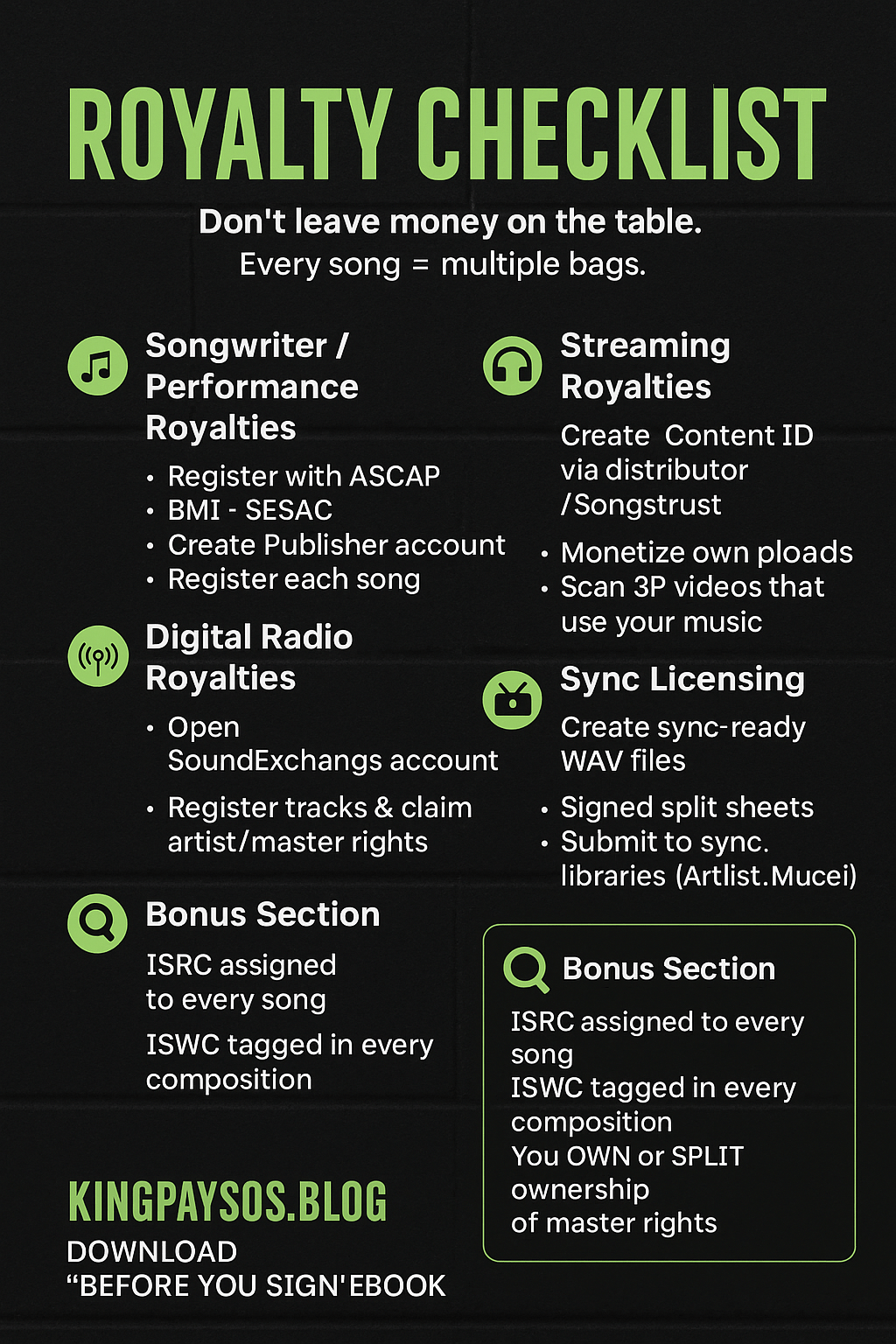
At its core, distribution does five things:
👉 Delivers your music to DSPs (Spotify, Apple Music, YouTube, etc.)
👉 Assigns metadata (ISRCs, artist profiles, release info)
👉 Collects master recording revenue
👉 Reports earnings
👉 Pays you what’s left after fees
That’s it.
Anything beyond that is optional services — and optional services are where the games start.
Platform Responsibility to the Artist
A distributor’s responsibility is delivery, accuracy, transparency, and payment.
Not:
👉Making you famous
👉Guaranteeing streams
👉“Breaking” your record
👉Building your audience
If a platform implies otherwise without contractually guaranteeing it, that’s marketing — not responsibility.
The 3 Distribution Models (And the One Nobody Talks About)
1️⃣ Subscription-Based Model (Flat Fee)
Examples: DistroKid, TuneCore (entry tiers)
👉You pay yearly or per release
👉You keep 100% of royalties
👉No incentive for the platform to interfere with your money
👉They get paid whether you win or lose
Pros
👍Transparent
👍Predictable
👍Artist keeps leverage
Cons
👎No hand-holding
👎No upside for the platform to push you
This model treats music like infrastructure, not lottery tickets.
2️⃣ Percentage-Based Model (ROC Nation’s Lane)
Example: 15% off top
👉Platform takes a cut of everything
👉They claim “services” justify the percentage
👉Incentive increases when you make more
Pros
👍Platform has motivation to scale certain artists
👍Potential access to internal resources
Cons
👎You’re paying rent forever
👎Percentages add up fast
👎“Services” are often vague or discretionary
👎Artist pays before value is proven
This model only makes sense after traction, not before it.
Russ’ point is simple:
Why tax uploads instead of earning upside after results?
3️⃣ The Secret Monetization Model (The Quiet Scam)
This is the one nobody puts in bold print.
👉Your content gets monetized in areas you don’t see
👉You don’t receive full reporting
👉Revenue thresholds delay payouts
👉Upstream partners skim before money hits you
This is where words like threshold and upstream matter.
Key Terms Artists Need to Understand
Threshold
The minimum amount you must earn before payouts are released.
If your money never crosses the line, it just sits there.
Upstream
Revenue collected before it reaches your distributor.
DSPs → Aggregators → Partners → Distributor → You
Every upstream layer is a hand in the pot.
If contracts don’t clearly define this chain, you’re guessing where your money goes.
Russ vs ROC Nation: Who’s Right?
Russ is right for independent artists without leverage.
ROC Nation is right for artists who already generate attention.
This isn’t about fairness.
It’s about positioning.
ROC Nation isn’t selling distribution.
They’re selling optional proximity to power.
And proximity is only valuable if you already have:
👉Eyes on your music
👉Consistent engagement
👉Data they can justify betting on
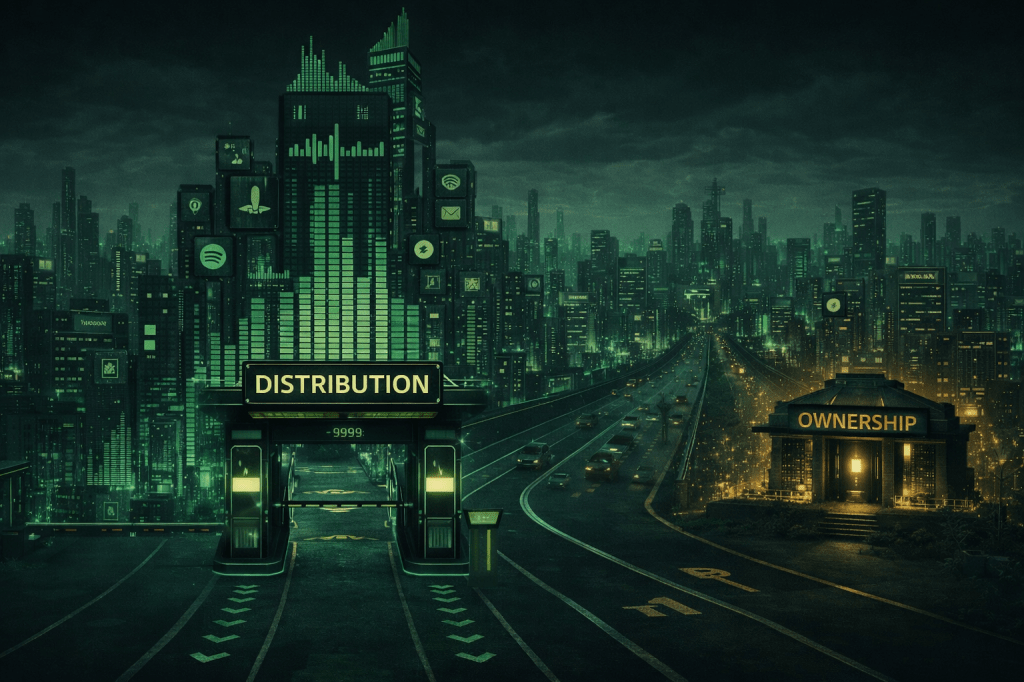
Otherwise, you’re just paying tolls on a road you don’t control.
The Bigger Truth Artists Avoid
Music is no longer the product.
Attention is.
Music is the entry point into a tech ecosystem driven by:
👉Watch time
👉Behavior patterns
👉Algorithm signals
👉Data ownership
You’re not competing with artists.
You’re competing with feeds.
That’s why I preach ownership.
If the industry is a skyscraper, most artists don’t even have the address — they’re arguing over lobby access while someone else owns the building.
You can’t pay people to like your music.
You can’t buy consistency.
You can’t rent leverage forever.
Get digital real estate.
Build direct audience access.
Then negotiate from strength.
Closing Line
Distribution isn’t the dream anymore.
Ownership is.
Before you sign anything, understand what you’re giving up.
If you don’t own your audience, your data, or your rights, you’re just renting space in someone else’s system.
More breakdowns like this — read, learn, move smarter.
👉The Death of the Shortcut — connects hustle mentality to system thinking
👉From Stage to Stake — connects distribution to broader ownership strategy
👉The Button Is Rigged — ties into platform mechanics and control
👉Monetizing Your Music — for tactical revenue context


 Kingpaysos.Blog
Leave a comment