
As an independent artist, one of the most significant challenges you face is generating consistent income from your music. Gone are the days when record sales and concert tours were the only means of earning a living. Today, the digital age offers a myriad of opportunities for artists to monetize their music in various ways. By diversifying your revenue streams, you can achieve financial stability and invest more in your craft. Here’s how you can create multiple revenue streams as an independent musician.
1. Streaming Services
Streaming platforms like Spotify, Apple Music, Tidal, and Amazon Music have revolutionized the music industry. While the per-stream payout might seem small, the key to success is volume. To maximize your earnings from streaming:
- Optimize Your Profile: Ensure your artist profile is complete with a bio, photos, and links to your social media and website.
- Playlists: Get your songs featured in popular playlists. Reach out to playlist curators and use platforms like SubmitHub to pitch your music.
- Consistent Releases: Regularly release new music to keep your audience engaged and growing.
- Engage Your Audience: Use social media to promote your releases and encourage your fans to stream and share your music.
2. Merchandise
Merchandising is a powerful revenue stream for independent artists. Fans love to support their favorite artists by purchasing branded merchandise. Here’s how to get started:
- Design Unique Merchandise: Create items that resonate with your brand and music. T-shirts, hoodies, hats, posters, and vinyl records are popular choices.
- Online Store: Set up an online store using platforms like Shopify, Big Cartel, or Bandcamp. Ensure the store is easy to navigate and mobile-friendly.
- Bundles and Limited Editions: Offer exclusive bundles and limited-edition items to create urgency and drive sales.
- Promote Your Merch: Use social media, email newsletters, and live shows to promote your merchandise.
3. Live Performances and Virtual Concerts
Live performances have always been a staple revenue stream for musicians. With the rise of digital platforms, virtual concerts have become a viable option as well:
- Gig Opportunities: Perform at local venues, festivals, and private events. Network with event organizers and use platforms like GigSalad to find gigs.
- Virtual Concerts: Use platforms like Stageit, Twitch, and YouTube Live to perform online. Charge a ticket fee or offer a “pay what you can” model.
- Live Streams: Regularly live stream your rehearsals, Q&A sessions, and performances to engage with your fans and receive tips and donations.
4. Crowdfunding
Crowdfunding allows you to raise funds directly from your fans to support your music projects. Platforms like Kickstarter, Indiegogo, and Patreon provide a way to secure financial backing for your endeavors:
- Patreon: Offer your fans exclusive content, early access to music, behind-the-scenes footage, and personalized experiences in exchange for a monthly subscription.
- Kickstarter and Indiegogo: Run a campaign to fund a specific project, such as an album or music video. Offer enticing rewards to backers, such as signed copies, exclusive merchandise, or a private concert.
- Engage Your Supporters: Keep your backers updated with your progress and show appreciation for their support.
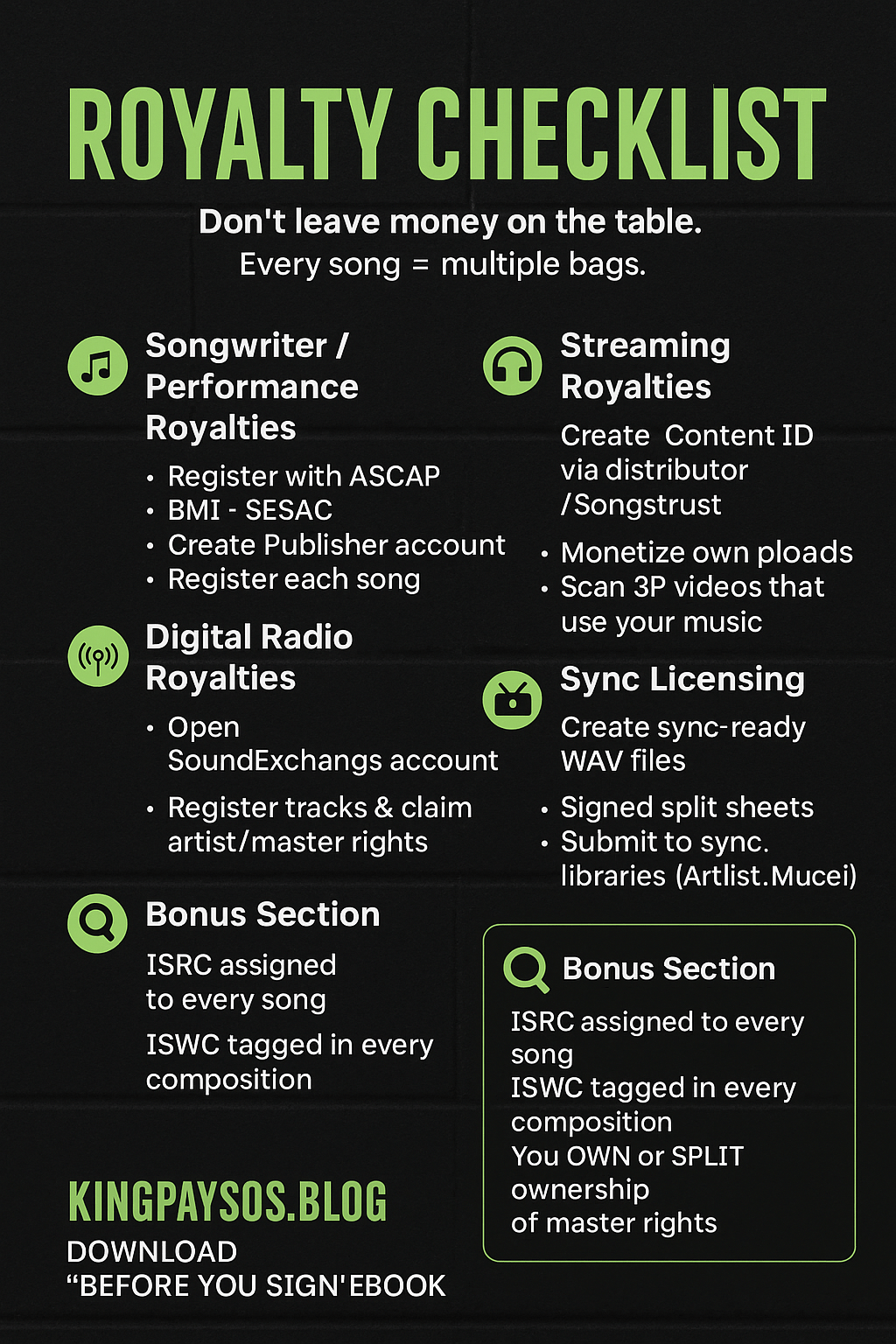
5. Sync Licensing
Sync licensing involves having your music featured in TV shows, movies, commercials, and video games. This can be a lucrative revenue stream and can significantly boost your exposure:
- Music Libraries: Submit your music to online music libraries like Musicbed, AudioJungle, and Pond5, where filmmakers and content creators can purchase licenses.
- Networking: Build relationships with music supervisors and industry professionals who can help place your music in media projects.
- Quality and Versatility: Ensure your tracks are of high quality and versatile enough to fit various types of media.
6. Teaching and Workshops
If you have a knack for teaching, consider offering music lessons or workshops. This can be done in person or online:
- Private Lessons: Offer one-on-one lessons for instruments, songwriting, production, or music theory. Use platforms like TakeLessons or Wyzant to find students.
- Online Courses: Create and sell online courses on platforms like Udemy, Teachable, or Skillshare. This allows you to reach a global audience.
- Workshops and Clinics: Host workshops or clinics at schools, community centers, or music stores.
7. Brand Partnerships and Sponsorships
Partnering with brands can provide additional income and exposure for your music:
- Product Endorsements: Work with companies to promote their products in exchange for payment or free gear. This could include musical instruments, recording equipment, or lifestyle brands.
- Sponsorships: Secure sponsorship deals for your tours, albums, or music videos. Brands are often looking to associate with artists who align with their target audience.
- Affiliate Marketing: Promote products and services through affiliate links on your website and social media. Earn a commission for each sale generated through your links.
8. Music Sales
Although streaming has overtaken physical sales, selling your music directly to fans is still a viable revenue stream:
- Digital Downloads: Offer your music for download on platforms like Bandcamp, iTunes, and Amazon Music. Bandcamp allows you to set your own price, including a “pay what you want” option.
- Physical Copies: Sell CDs, vinyl records, and cassette tapes at your live shows and through your online store. Many fans appreciate having a physical copy of their favorite music.
- Exclusive Releases: Create exclusive releases, such as deluxe editions or special box sets, to entice fans to make a purchase.
9. Fan Subscriptions
Fan subscriptions provide a steady income stream by offering exclusive content to your most dedicated fans:
- Membership Platforms: Use platforms like Patreon, OnlyFans, or Supercast to offer exclusive content, such as unreleased tracks, early access to new music, and behind-the-scenes videos.
- Fan Clubs: Create a fan club with different membership tiers. Offer perks such as meet-and-greet opportunities, personalized messages, and VIP access to shows.
10. Diversify and Adapt
The key to successful monetization as an independent artist is diversification and adaptation. Keep exploring new opportunities and be willing to adapt to changes in the industry. Stay connected with your audience and continually find ways to offer value through your music and related activities.
In conclusion, monetizing your music as an independent artist requires creativity, dedication, and strategic planning. By leveraging multiple revenue streams, you can build a sustainable career and continue to invest in your passion for music. Remember, the journey to financial stability in the music industry is a marathon, not a sprint. Stay persistent, engage with your fans, and keep evolving as an artist.
READ MORE LIKE THIS






 Kingpaysos.Blog
Leave a comment